Modern Home Interior Design Trends in 2026: 10 Stylish Ideas to Transform Your Home
Your home is more than just a place to live. It reflects your personality, lifestyle, preferences, and aspirations. As interior design evolves, homeowners are increasingly looking for spaces that combine beauty, comfort, functionality, and modern technology.
In 2026, modern home interior design trends are moving towards warmer colour palettes, natural materials, smart furniture, sustainable solutions, and personalised living spaces. Instead of focusing only on luxury and appearance, homeowners want interiors that make everyday living easier and more enjoyable.
Whether you are designing a new apartment, renovating an existing house, or upgrading individual rooms, the right interior design choices can completely transform your living experience.
In this article, we explore 10 modern home interior design trends in 2026 that can help you create a beautiful, comfortable, and functional home.
1. Warm Minimalist Interior Design
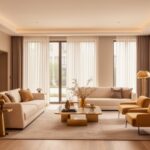
Minimalist interior design continues to be popular in 2026, but the approach is becoming warmer and more welcoming.
Rather than creating empty spaces with plain white walls and limited furniture, warm minimalism combines simplicity with natural textures, comfortable furniture, and subtle decorative elements.
Popular features include:
- Beige, cream, and warm white colour palettes.
- Wooden furniture and natural finishes.
- Simple furniture with clean lines.
- Soft lighting and comfortable fabrics.
- Minimal decorative accessories.
Warm minimalism works particularly well in modern apartments because it creates an uncluttered appearance without making rooms feel cold or empty.
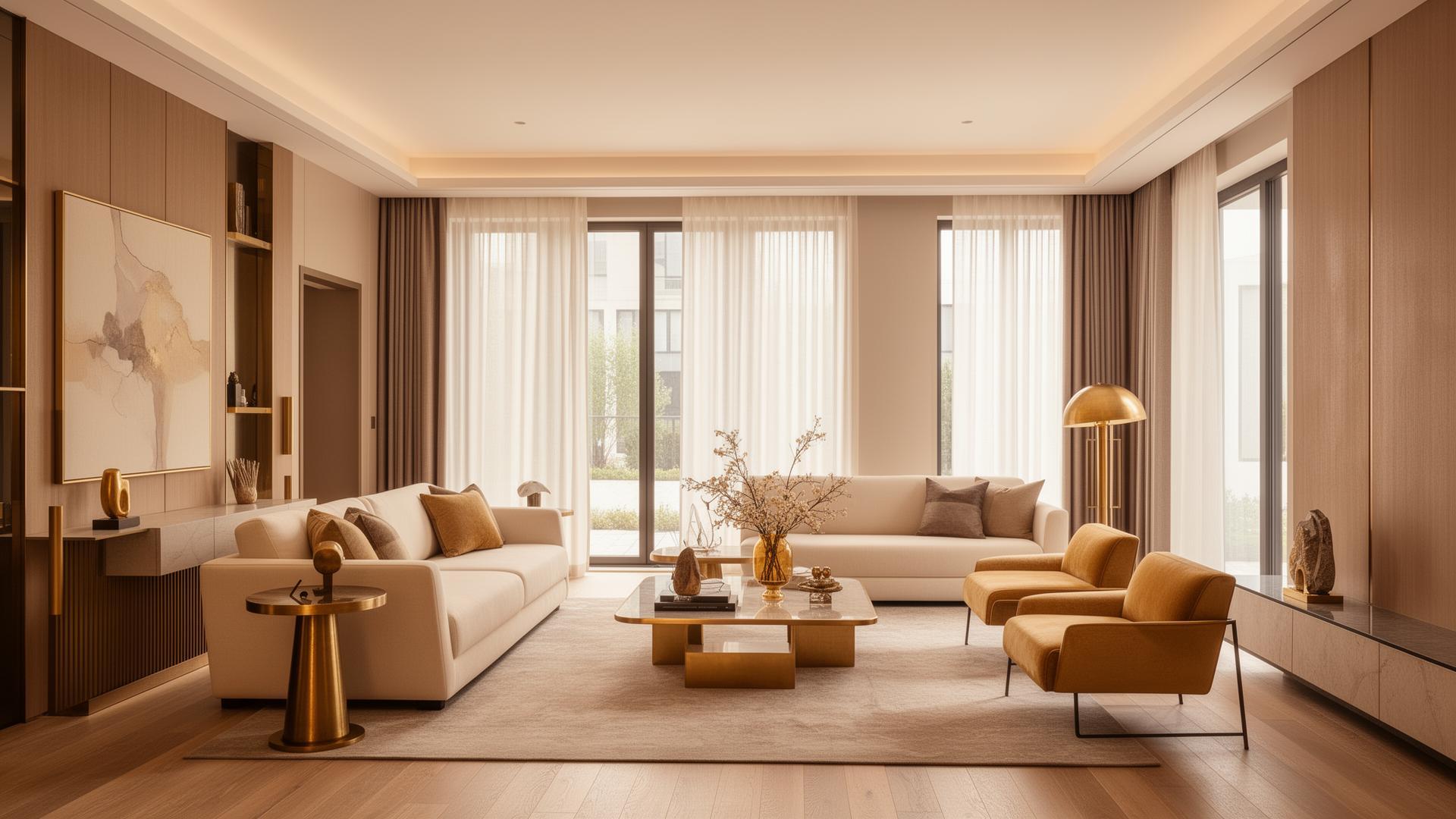
Design tip: Combine light wooden furniture with beige walls, textured curtains, and warm LED lighting to create a relaxing living room.
2. Earthy Colour Palettes and Natural Shades
Colour selection plays an important role in modern home interior design. In 2026, earthy shades and nature-inspired colours are becoming increasingly popular.
Instead of relying entirely on bright white and cool grey, homeowners are exploring colours that create a relaxing and welcoming atmosphere.
Some popular interior colour choices include:
- Terracotta.
- Olive green.
- Beige and sand.
- Warm brown.
- Muted mustard.
- Soft cream.
- Clay and muted earthy tones.
These colours can be incorporated into wall paint, furniture, curtains, cushions, wardrobes, and decorative accessories.
For example, an olive-green accent wall combined with wooden furniture and cream-coloured upholstery can create an elegant living space.
Design tip: Choose one dominant neutral colour and combine it with two complementary shades. This creates a balanced appearance without overwhelming the room.
3. Smart Home Interior Design
Technology is becoming an important part of modern residential interiors. Smart home features allow homeowners to control lighting, temperature, security, and entertainment systems more conveniently.
In 2026, smart home interior design focuses on integrating technology without compromising the overall appearance of the home.
Popular smart home features include:
- Smart lighting systems.
- Automated curtains and blinds.
- Smart door locks.
- Voice-controlled home assistants.
- Intelligent temperature control.
- Motion-sensor lighting.
- Smart security cameras.
For example, smart lighting can help homeowners adjust brightness according to different activities, such as reading, watching television, or relaxing.
These solutions are particularly useful for homeowners who want convenience, energy management, and a modern living experience.
Design tip: Plan electrical points, smart switches, and automation requirements during the initial interior design stage to avoid unnecessary modifications later.
4. Natural Materials and Sustainable Interiors
Sustainability is becoming an important consideration in modern interior design. Homeowners are showing greater interest in durable materials, natural finishes, and furniture that can last for years.
Natural materials also introduce warmth, texture, and character into residential spaces.
Some popular material choices include:
- Natural wood.
- Bamboo and cane.
- Natural stone.
- Reclaimed wood.
- Linen and cotton fabrics.
- Ceramic decorative elements.
- Low-VOC paints.
Wooden furniture, cane accents, stone countertops, and natural fabrics can create a sophisticated interior without relying on excessive decoration.
Sustainable interior design is not necessarily about choosing the most expensive eco-friendly materials. It is also about selecting durable products, reducing unnecessary waste, and making thoughtful purchasing decisions.
Design tip: Invest in durable flooring, quality furniture, and timeless finishes instead of frequently replacing inexpensive decorative elements.
5. Modular Kitchen Designs with Smart Storage
The kitchen is one of the most important spaces in any home. Modern homeowners want kitchens that look attractive while providing maximum functionality.
In 2026, modular kitchen designs continue to focus on organised storage, convenient layouts, easy maintenance, and efficient use of available space.
Popular modular kitchen features include:
- Handleless kitchen cabinets.
- Pull-out storage units.
- Tall pantry cabinets.
- Soft-close drawers.
- Under-cabinet lighting.
- Built-in appliances.
- Dedicated cooking and preparation zones.
L-shaped, U-shaped, parallel, and island kitchen layouts can be selected depending on the available space and household requirements.
For compact apartments, an L-shaped modular kitchen can provide efficient workspace utilisation. Larger homes may benefit from an island kitchen with additional storage and preparation space.
Design tip: Select moisture-resistant materials, easy-to-clean surfaces, and practical storage accessories. A beautiful kitchen should also be comfortable to use every day.
6. Multifunctional Furniture for Small Homes
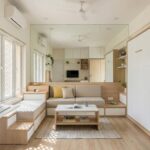
With apartments becoming increasingly compact in many Indian cities, multifunctional furniture is an effective solution for maximising available space.
Instead of purchasing separate furniture for every purpose, homeowners are choosing furniture that performs multiple functions.
Examples include:
- Sofa-cum-beds.
- Wall-mounted folding desks.
- Storage beds.
- Extendable dining tables.
- Foldable study tables.
- Modular wardrobes.
- Hidden storage cabinets.
Multifunctional furniture is especially useful in studio apartments, small bedrooms, guest rooms, and compact living areas.
For example, a storage bed can provide additional space for seasonal clothing, blankets, and other household items without requiring another cupboard.
Design tip: Measure your room carefully before purchasing furniture. Ensure that doors, drawers, and foldable sections have enough space to operate comfortably.
7. Biophilic Interior Design: Bringing Nature Indoors
Biophilic design is an approach that incorporates natural elements into indoor environments. It focuses on creating a stronger visual and physical connection between people and nature.
This trend is becoming increasingly popular among homeowners who want peaceful, refreshing, and comfortable living spaces.
Some ways to introduce biophilic design include:
- Adding indoor plants.
- Maximising natural daylight.
- Using wooden furniture.
- Incorporating stone and natural textures.
- Creating indoor garden corners.
- Choosing nature-inspired wallpapers.
- Using balconies as green relaxation spaces.
Plants such as money plants, snake plants, and peace lilies can be used in suitable indoor locations, depending on available light and maintenance requirements.
Large windows, natural ventilation, and light-coloured curtains can also help make rooms feel brighter and more connected to the outdoors.
Design tip: Create a small green corner near a window or balcony using indoor plants and natural wooden planters.
8. Layered Lighting and Statement Light Fixtures
Lighting is no longer treated as a basic functional requirement. It has become an important part of modern home interior design.
In 2026, layered lighting is helping homeowners create different moods and improve the appearance of individual spaces.
A well-designed lighting plan generally includes three types of lighting:
Ambient lighting: Provides overall illumination through ceiling lights, panel lights, and recessed fixtures.
Task lighting: Provides focused illumination for specific activities, such as cooking, reading, and working.
Accent lighting: Highlights decorative features, artwork, wall panels, shelves, and architectural details.
Popular lighting ideas include:
- Decorative pendant lights.
- Modern chandeliers.
- Recessed ceiling lights.
- LED strip lighting.
- Wall-mounted lights.
- Bedside pendant fixtures.
- Under-cabinet kitchen lighting.
For example, a combination of ceiling lights, pendant lights, and concealed LED strips can make a living room look more sophisticated.
Design tip: Use warm lighting in bedrooms and relaxing spaces, while selecting appropriate task lighting for kitchens, study areas, and workspaces.
9. Curved Furniture and Organic Shapes
Straight lines and sharp edges have traditionally dominated modern furniture designs. However, curved and organic shapes are becoming more visible in contemporary interiors.
These designs introduce softness and create a more welcoming atmosphere.
Popular curved furniture options include:
- Rounded sofas.
- Circular coffee tables.
- Curved accent chairs.
- Oval dining tables.
- Arched mirrors.
- Rounded headboards.
- Organic-shaped decorative furniture.
Curved furniture can work particularly well in living rooms, lounges, and bedrooms.
For example, a curved sofa paired with a round coffee table and soft neutral upholstery can create a contemporary and comfortable seating arrangement.
Design tip: Introduce curved furniture through one or two statement pieces rather than using rounded shapes everywhere. This helps maintain visual balance.
10. Personalised Interiors and Quiet Luxury
One of the most noticeable directions in 2026 interior design is the shift towards personalised homes.
Homeowners increasingly want spaces that reflect their lifestyle, memories, interests, and individual preferences rather than simply copying showroom designs.
Quiet luxury is another approach that focuses on quality, craftsmanship, timeless materials, and understated elegance.
Some popular elements include:
- Premium-looking wooden finishes.
- Custom-designed furniture.
- Elegant wall panels.
- Quality upholstery.
- Decorative mirrors.
- Carefully selected artwork.
- Statement lighting.
- Personal photographs and meaningful accessories.
A personalised home does not necessarily require expensive materials or excessive decoration. Thoughtful design decisions can create an elegant appearance within different budgets.
Design tip: Combine timeless furniture with selected statement accessories that reflect your personality.
Room-Wise Modern Interior Design Ideas for 2026
Different rooms have different functional requirements. A successful interior design plan should consider how each space will be used.
Here are some practical ideas for different areas of your home.
Living Room Interior Design
The living room is often the first space guests notice when entering a home.
Consider these design ideas:
- Comfortable sofas with neutral upholstery.
- Wooden or textured TV unit panels.
- Modern false ceiling designs with integrated lighting.
- Minimalist coffee tables.
- Decorative wall panels.
- Indoor plants and statement artwork.
Focus on maintaining a balance between seating comfort, movement, and visual appeal.
Bedroom Interior Design
A bedroom should feel comfortable, peaceful, and private.
Popular bedroom design ideas include:
- Upholstered headboards.
- Warm bedside lighting.
- Floor-to-ceiling wardrobes.
- Neutral wall colours.
- Space-saving storage beds.
- Soft curtains and comfortable bedding.
Avoid excessive decoration and focus on creating a relaxing environment.
Modular Kitchen Interior Design
A modern kitchen should combine functionality with attractive finishes.
Consider:
- Handleless modular cabinets.
- Smart corner storage.
- Quartz or other suitable countertops.
- Easy-to-maintain backsplashes.
- Under-cabinet lighting.
- Organised pantry storage.
The final layout should suit cooking habits, available space, and household requirements.
Bathroom Interior Design
Modern bathrooms are increasingly focused on simplicity, convenience, and easy maintenance.
Useful ideas include:
- Wall-mounted vanities.
- Large-format tiles.
- Glass shower partitions.
- Storage niches.
- Modern mirrors.
- Moisture-resistant materials.
- Well-planned lighting and ventilation.
Choose slip-resistant flooring and appropriate waterproofing to ensure long-term usability.
Balcony Interior Design
A balcony can become a comfortable extension of your living space.
Ideas include:
- Vertical gardens.
- Compact outdoor seating.
- Weather-resistant furniture.
- Decorative lighting.
- Artificial or natural grass, where suitable.
- Small coffee tables.
Even a compact balcony can become a relaxing personal corner with thoughtful planning.
How to Choose the Right Interior Design Trend for Your Home
Not every interior design trend is suitable for every home. The right design depends on your lifestyle, available space, budget, and personal preferences.
Before finalising your home interiors, consider these important factors:
1. Understand your requirements: Identify how many people will use each room and what functions the space needs to support.
2. Set a realistic budget: Divide your budget between furniture, materials, lighting, storage, labour, and decorative elements.
3. Consider available space: Select furniture and layouts according to room dimensions.
4. Prioritise functionality: Ensure that your design choices improve everyday convenience rather than focusing only on appearance.
5. Select durable materials: Choose materials according to their quality, maintenance requirements, and suitability for your home.
6. Plan lighting properly: Natural and artificial lighting can significantly influence how a room looks and feels.
7. Personalise your interiors: Incorporate elements that reflect your personality and lifestyle.
Working with a professional interior designer can help you plan these elements more effectively and avoid common design mistakes.
Why Professional Interior Design Matters
Designing a home involves more than selecting furniture, paint colours, and decorative accessories. It requires proper space planning, material selection, lighting design, storage planning, and coordination of different elements.
A professional interior designer can help homeowners:
- Make better use of available space.
- Select suitable furniture and materials.
- Create functional room layouts.
- Plan lighting and electrical requirements.
- Maintain consistency across different rooms.
- Avoid unnecessary design changes.
- Develop interiors according to their budget and preferences.
Professional planning can also help reduce mistakes during renovation and execution.
Final Thoughts
Modern home interior design trends in 2026 are all about creating spaces that combine comfort, functionality, personality, and timeless beauty.
From warm minimalist interiors and earthy colour palettes to smart home technology, modular kitchens, multifunctional furniture, and natural materials, homeowners have plenty of options to transform their living spaces.
However, the best interior design is not necessarily the one that follows every trend. It is the one that matches your lifestyle, makes efficient use of your space, and provides lasting comfort.
At Anmol Interior, the goal is to help homeowners create beautiful and functional living spaces that reflect their vision and preferences.
Whether you are planning a new home interior or renovating your existing space, thoughtful design can make a meaningful difference.
Ready to transform your home? Get in touch with Anmol Interior to discuss your home interior design requirements and bring your dream space to life.
Frequently Asked Questions (FAQs)
1. What are the latest home interior design trends in 2026?
Some popular trends include warm minimalism, earthy colour palettes, smart home technology, sustainable materials, modular kitchens, multifunctional furniture, biophilic design, layered lighting, curved furniture, and personalised interiors.
2. Which colours are best for modern home interiors in 2026?
Beige, cream, terracotta, olive green, warm brown, muted mustard, and soft earthy shades are popular choices for modern residential interiors.
3. How can I make my small home look modern and spacious?
Use multifunctional furniture, light colour palettes, smart storage solutions, mirrors, proper lighting, and space-efficient furniture layouts to make a compact home feel more spacious.
4. What is the best interior design style for modern Indian homes?
Warm minimalism, contemporary design, Japandi-inspired interiors, and modern traditional combinations are suitable options. The best style depends on your space, lifestyle, cultural preferences, and budget.
5. How much does modern home interior design cost in India?
The cost depends on the size of the property, number of rooms, materials, furniture, finishes, and project requirements. A compact apartment will generally require a different budget from a large independent house. Requesting a detailed project quotation is the best way to understand the expected cost.
6. Why should I hire a professional interior designer?
A professional interior designer helps with space planning, material selection, furniture layouts, lighting, storage, and design coordination. This can make the overall project more organised and functional.
7. What is the difference between modern and minimalist interior design?
Modern interior design focuses on contemporary styles, materials, furniture, and functionality. Minimalist interior design focuses on simplicity, fewer decorative elements, clean lines, and reducing unnecessary clutter.
8. How can I make my home look luxurious on a limited budget?
Choose a coordinated colour palette, use good lighting, invest in a few quality furniture pieces, maintain organised storage, and incorporate attractive textures. A well-planned layout can create an elegant appearance without requiring expensive materials.